
Airway-Focused Dentistry in Aventura, South Florida
Airway-Focused Dentistry
How you breathe can leave clues throughout the mouth.
Dentistry gives us a unique view of the teeth, tongue, palate, jaw, saliva, soft tissues and patterns of wear that can sometimes raise important questions about breathing and sleep.
My airway-focused approach looks for those clues while staying clear about the dentist’s role: we can screen, educate and collaborate, but sleep apnea requires appropriate diagnosis and sleep testing.
What Airway-Focused Means
The dentist does not own the airway. But we should not ignore it either.
Airway-focused dentistry means paying attention to breathing, sleep and oral function when they are relevant to dental health.
It does not mean explaining every cavity, headache, bite problem or health concern through the airway.
Mouth breathing can be a habit, but it can also be a response to nasal obstruction, allergies, enlarged tonsils or adenoids, anatomy, sleep-disordered breathing or other medical conditions.
The goal is to notice the pattern, understand what dentistry can reasonably contribute, and involve the appropriate medical, ENT, sleep, orthodontic or myofunctional professionals when necessary.
Nose vs. Mouth
The route you breathe through changes the environment the air travels through.
For normal quiet breathing, the nose is the preferred pathway.
Nasal Breathing
The nose conditions incoming air.
Nasal passages help filter, warm and humidify inspired air before it reaches the lower respiratory tract.
Nasal breathing also allows the lips to remain together and helps maintain a moist oral environment.
- Air filtration
- Humidification
- Warming of inspired air
- Supports oral lip seal
- Avoids continuous oral airflow
Chronic Mouth Breathing
The mouth can become a respiratory pathway.
We all breathe through our mouths at certain times. The concern is habitual or chronic mouth breathing, especially when it occurs during rest or sleep.
Continuous oral airflow can dry the mouth and may be a clue that nasal breathing is not functioning comfortably.
- Oral dryness
- Reduced salivary protection
- Gingival irritation
- Changes in oral ecology
- Possible marker of nasal obstruction or sleep-disordered breathing
Mouth Breathing + Oral Health
A dry mouth is not the same environment as a well-lubricated mouth.
Saliva is part of the mouth’s natural defense system.
It helps buffer acids, clear food, lubricate tissues, support remineralization and influence the oral microbial environment.
Chronic oral airflow can increase evaporation and contribute to dryness. Research in children and adolescents has found associations between mouth breathing and greater plaque accumulation, gingival changes and some patterns of dental caries.
Separate microbiome research has also found differences in oral, nasal and pharyngeal microbial communities among mouth-breathing children. These studies show associations, not proof that mouth breathing independently causes every oral disease.
Tongue Posture + Oral Development
The tongue is not only for speaking and swallowing.
Resting tongue posture is one part of the oral functional environment.
When nasal breathing is comfortable, the lips can remain closed and the tongue can generally rest within the oral cavity. Chronic open-mouth posture can change that functional pattern.
In children, mouth breathing and altered oral function have been associated with differences in craniofacial development, arch form and malocclusion.
Most of that literature is observational. It supports paying attention to these patterns, but it does not justify claiming that one tongue position single-handedly determines facial growth.
Snoring + Sleep Apnea
Snoring is a sound. Sleep apnea is a medical disorder.
They can overlap, but they are not the same diagnosis.
Obstructive sleep apnea involves repeated narrowing or blockage of the upper airway during sleep. Breathing can become shallow or stop temporarily, disrupting oxygen levels and sleep quality.
Untreated sleep apnea is associated with important health risks, which is why suspected apnea deserves proper medical evaluation rather than guesswork.
The Dentist’s Role
Notice. Screen. Connect the dots. Refer when needed.
Airway-focused dentistry works best as part of collaborative care.
Ask
Snoring, mouth breathing, daytime fatigue, dry mouth and sleep concerns can be included in the history.
Examine
Teeth, wear, saliva, gums, tongue, palate, jaws and oral tissues can reveal relevant clues.
Screen
Risk factors and symptoms can help identify patients who may need further sleep or airway evaluation.
Image when indicated
CBCT may provide useful three-dimensional anatomical information when clinically appropriate. It does not diagnose obstructive sleep apnea.
Refer
ENT, sleep medicine, pulmonology, myofunctional therapy or other professionals may become part of the care team.
Coordinate
Orthodontics, TMJ care, dental treatment and sleep-related care should work together when their goals overlap.
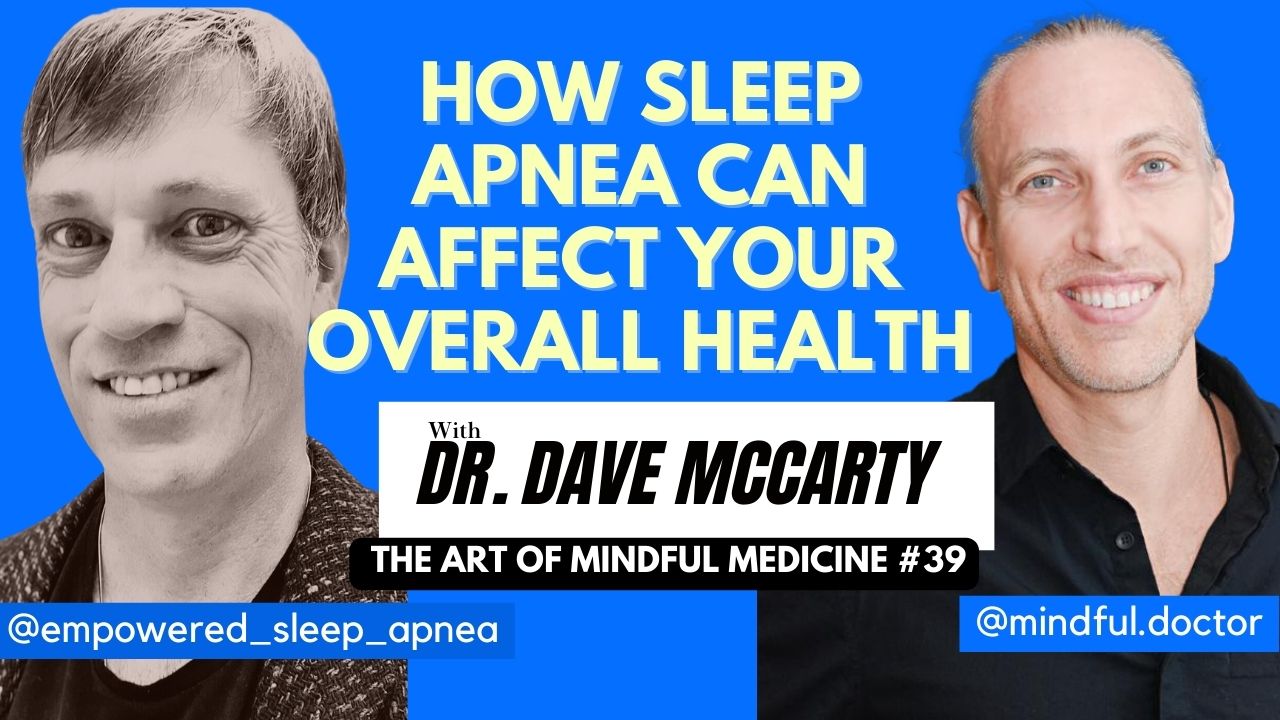
The Mindful Doctor Podcast
How sleep apnea can affect your overall health with Dr. Dave McCarty.
Sleep apnea is more complex than simply “you snore, so use a machine.”
In this conversation with sleep-medicine specialist Dr. Dave McCarty, we explore what sleep apnea really is, why healthy sleep matters, how disrupted breathing can affect overall health, and why treatment should be individualized.
Dr. McCarty’s approach emphasizes patient education, collaborative problem-solving and helping people understand the options available to them.
Recommended Reading
Three books that expand the breathing and sleep conversation.
These books are educational resources, not clinical guidelines or substitutes for diagnosis. They are useful because they help patients ask better questions.
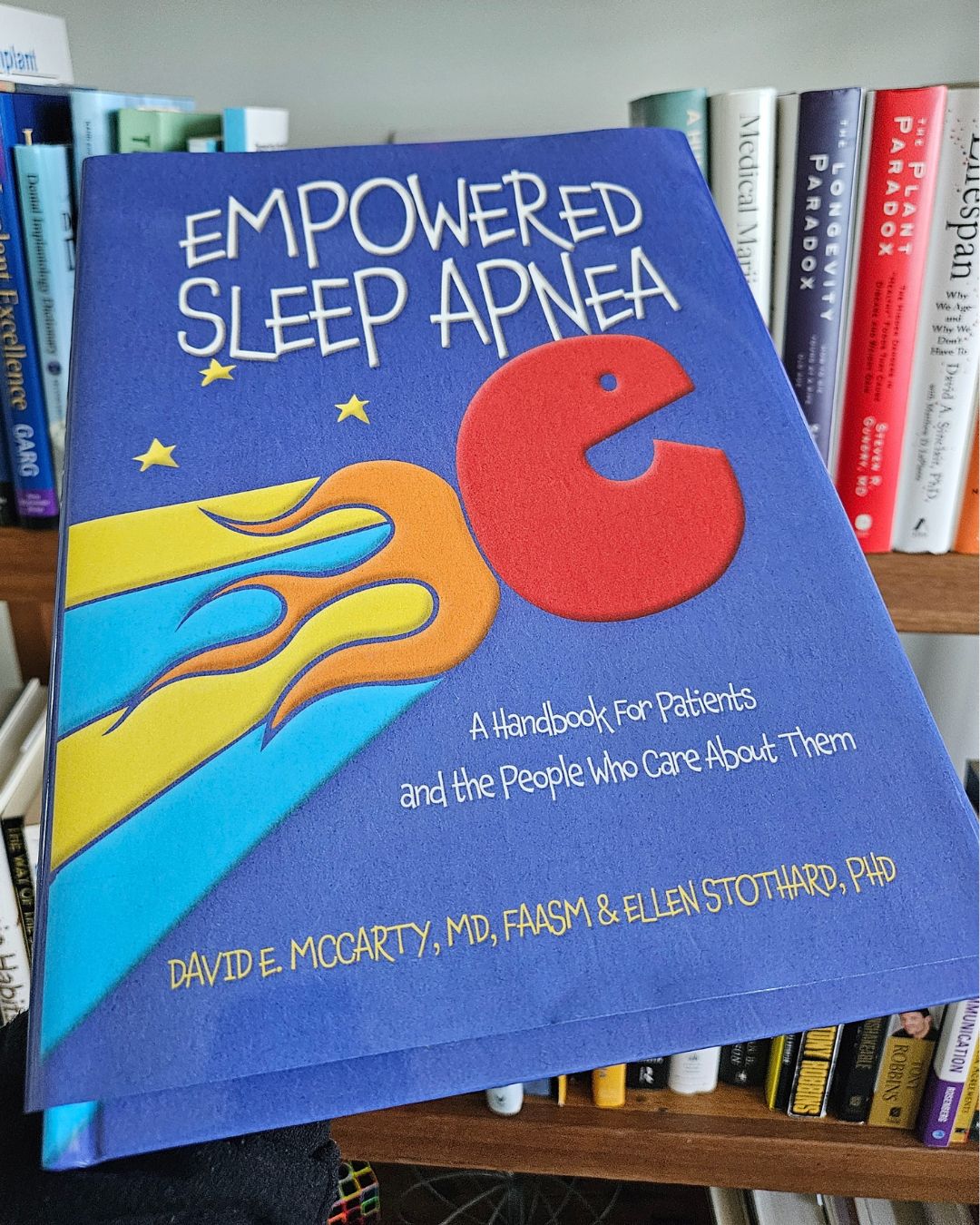
Sleep Apnea
Empowered Sleep Apnea
By David E. McCarty, MD, FAASM and Ellen Stothard, PhD.
A patient-centered guide to understanding a complex sleep disorder, navigating diagnosis and participating more meaningfully in treatment decisions.
Learn more →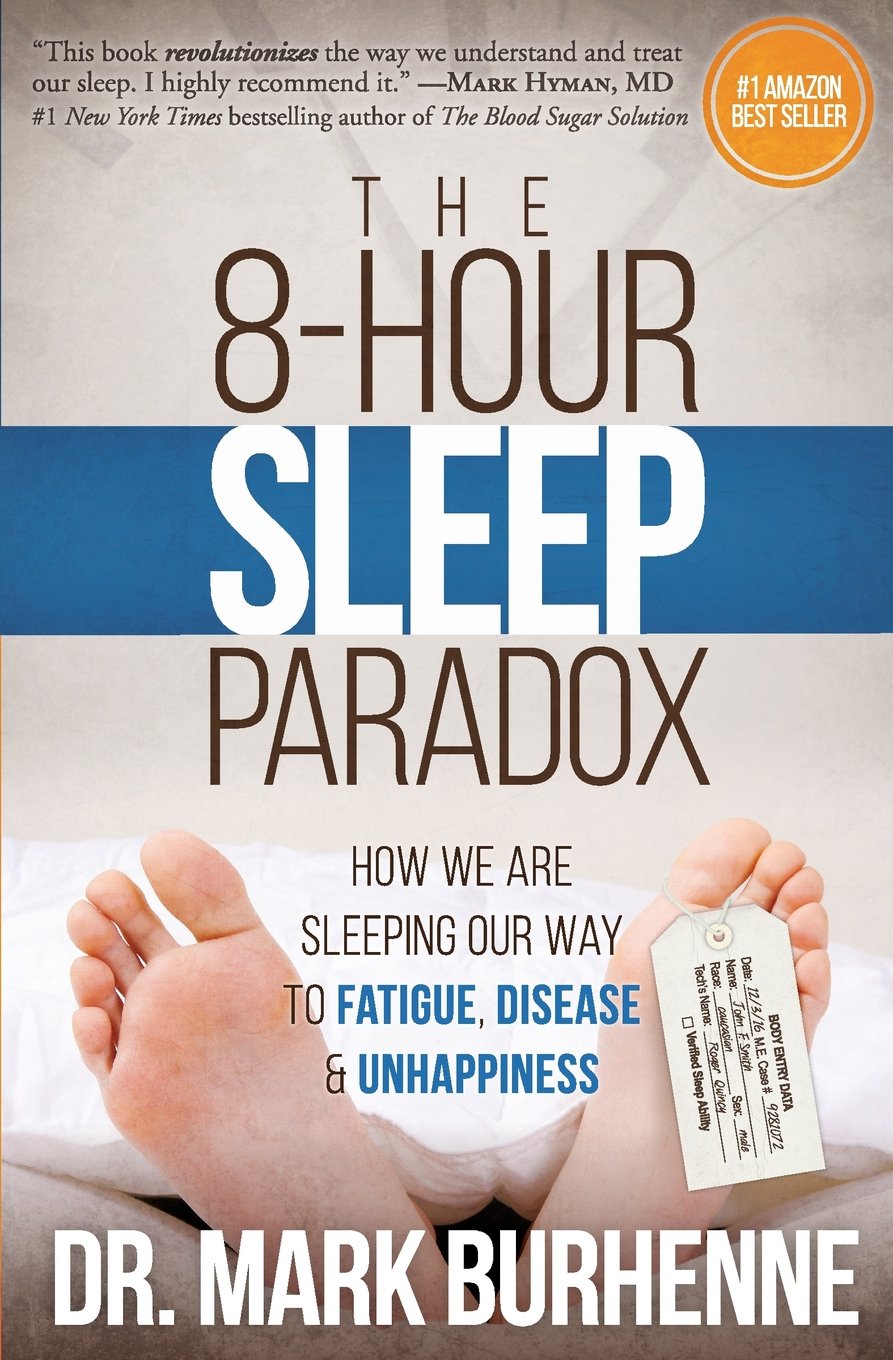
Sleep Quality
The 8-Hour Sleep Paradox
By Mark Burhenne, DDS.
A dentist’s exploration of sleep-disordered breathing and the idea that hours spent asleep do not necessarily equal restorative, high-quality sleep.
Explore the book →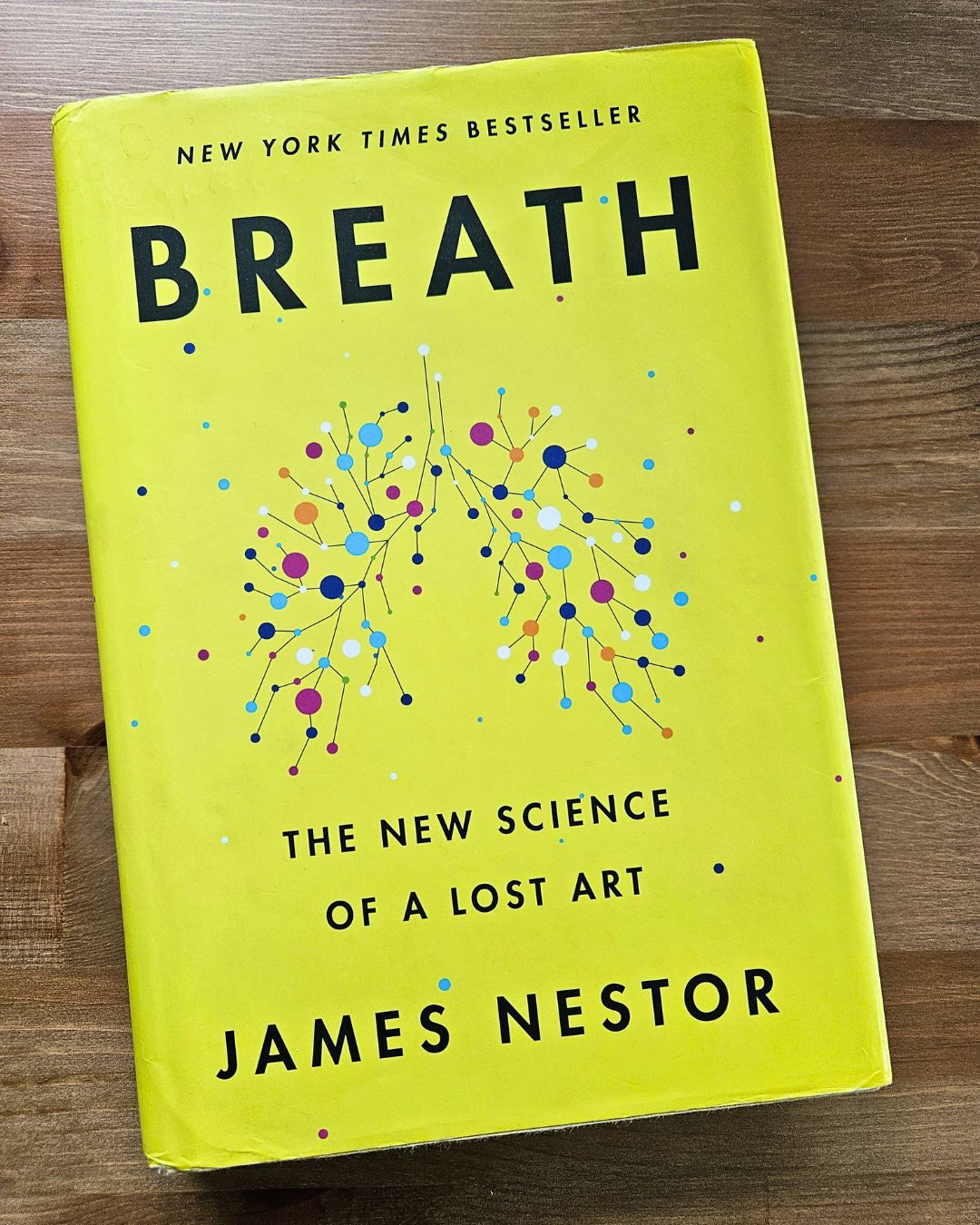
Breathing
Breath: The New Science of a Lost Art
By James Nestor.
A popular-science exploration of breathing, nasal respiration, historical practices and the modern conversation around how breathing patterns may influence health.
Some claims discussed in popular books extend beyond what is established by high-quality clinical evidence, so I view the book as a conversation starter, not a diagnostic manual.
Learn more →From @mindful.doctor
Breathing, airway and oral health in practice.
These videos bring the airway conversation out of the textbook and into everyday dental care.
Breathing
Why breathing belongs in the dental conversation
A closer look at the relationship between breathing patterns, oral function and whole-person health.
Mouth Breathing
Look beyond the isolated tooth
Mouth breathing, dry mouth, sleep and oral health can intersect in ways worth noticing.
Sleep + Airway
What happens at night matters during the day
Sleep-disordered breathing can be easy to miss when we look only at individual teeth instead of the larger picture.
Evidence-Informed Airway Dentistry
The associations are important. The limitations are important too.
Airway dentistry becomes more credible when we distinguish strong evidence from emerging evidence.
I want airway screening to improve diagnosis and collaboration, not become a reason to explain every health problem through the mouth.
A 2025 systematic review found that mouth-breathing children and adolescents showed increased gingival bleeding, plaque accumulation and gingival changes. Evidence linking mouth breathing to caries was more limited.
Review the study on PubMed →A study of mouth-breathing children found differences in oral, nasal and pharyngeal microbial profiles and salivary proteins. Longitudinal research is still needed to clarify cause and effect.
Review the study on PubMed →Systematic-review evidence in children has found associations between mouth breathing and differences in craniofacial growth and malocclusion. Much of the evidence is observational, which limits causal conclusions.
Review the research on PubMed →A recent adult systematic review reported associations between mouth breathing and TMD, posture and masticatory-muscle findings. The authors rated the certainty of evidence as very low, so the relationship should not be presented as proven causation.
Review the research on PubMed →NIH guidance lists loud snoring, breathing pauses, gasping, daytime sleepiness, dry mouth and other symptoms associated with sleep apnea. A sleep study is used to establish the diagnosis and severity.
Read NIH diagnostic guidance →What an Airway-Focused Dental Evaluation Looks Like
Start with what we can observe. Escalate when the clues justify it.
Airway-Focused Dentist in South Florida
Airway, breathing and sleep screening in Aventura.
I incorporate airway awareness into care at Our Holistic Dentistry in Aventura, Florida.
Patients visit from Aventura, Miami, Hollywood, Fort Lauderdale and throughout South Florida looking for a dental approach that considers breathing, sleep, oral function and the larger health picture.
If you are looking for an airway-focused dentist, ask whether the practice understands the difference between dental screening and medical diagnosis.
Good airway dentistry should know when dentistry can help and when the patient needs a different professional at the table.
Questions
Airway-Focused Dentistry FAQs
What is airway-focused dentistry?
Airway-focused dentistry considers breathing, sleep and oral function when they are relevant to dental health. It can include screening for mouth breathing, snoring, dry mouth, tongue posture, arch form, clenching and other findings that may suggest a broader airway or sleep concern.
Is nose breathing better than mouth breathing?
Nasal breathing is generally the preferred route for quiet breathing. The nose filters, warms and humidifies incoming air. Mouth breathing is normal in certain circumstances, but chronic mouth breathing at rest or during sleep may warrant evaluation for nasal obstruction or other underlying causes.
Can mouth breathing cause cavities?
Chronic mouth breathing can contribute to oral dryness and reduced salivary protection, which may create a less favorable environment for the teeth. Research in children has found some associations with caries, plaque and gingival changes, but mouth breathing should not be described as the sole cause of cavities.
Can mouth breathing affect the oral microbiome?
Research has found differences in oral, nasal and pharyngeal microbial profiles among mouth-breathing children. Oral dryness and altered salivary conditions may contribute to a different microbial environment. More longitudinal research is needed to establish cause and effect.
Can mouth breathing cause TMJ problems?
Mouth breathing and TMD can coexist. A recent systematic review found associations between mouth breathing and TMD-related musculoskeletal findings, but the certainty of the evidence was very low. It would therefore be inaccurate to say that mouth breathing universally causes TMJ disorders.
Why does tongue posture matter?
Tongue posture is one component of oral function. It interacts with swallowing, lip posture, arch form and breathing patterns. In children, altered tongue and breathing patterns have been associated with differences in craniofacial development, although evidence does not support reducing facial growth to one single cause.
Does snoring mean I have sleep apnea?
No. Many people snore without having obstructive sleep apnea. However, frequent loud snoring, breathing pauses, gasping, excessive daytime sleepiness and other symptoms can justify further evaluation.
Can a dentist diagnose sleep apnea?
A dentist can identify risk factors, symptoms and oral findings that may suggest sleep-disordered breathing. Obstructive sleep apnea requires appropriate diagnostic sleep testing and medical or sleep-provider evaluation. Airway-focused dentistry should complement that process, not replace it.
Does a CBCT scan diagnose sleep apnea?
No. CBCT can provide three-dimensional information about craniofacial anatomy and may be useful for selected dental and surgical questions. A static dental CBCT does not show what the airway is doing throughout a night of sleep and does not diagnose obstructive sleep apnea.
Should I tape my mouth shut at night?
Mouth taping is widely discussed online, but it should not be used as a substitute for finding out why someone is mouth breathing. Nasal obstruction, sleep apnea or other breathing problems should be evaluated appropriately. Forcing the mouth closed without understanding the underlying airway is not the same thing as restoring healthy nasal breathing.
How do I schedule an airway-focused dental evaluation in South Florida?
Request an appointment through Mindful Doctor. We can review your oral health, breathing patterns, sleep-related concerns, jaw function, tongue posture and relevant dental findings and determine whether additional evaluation is appropriate.
Request an appointment →Start With the Pattern
Teeth tell a story. Sometimes breathing is part of it.
We can evaluate your oral health, breathing patterns, sleep-related symptoms, tongue posture, arch form, jaw function and other dental clues to determine what belongs in the dental plan and what deserves further medical evaluation.
This page is educational and does not establish a dentist-patient relationship or replace individualized dental, sleep or medical evaluation.